Carpet Area vs SBA vs UDS Explained Simply
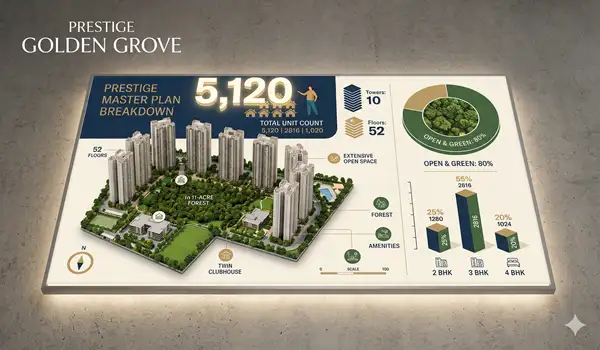
Carpet area vs SBA vs UDS explained simply comes down to three crucial numbers: Carpet Area is the actual usable space inside your four walls where you can lay a carpet; Super Built-Up Area (SBA) is the total area you pay for, which includes your flat plus your share of common spaces like lifts and lobbies; and Undivided Share of Land (UDS) is the exact slice of the land registered in your name. Knowing the difference between these three terms ensures you never pay for imaginary space, fall for misleading "loading factors," or misjudge the long-term value of your property.
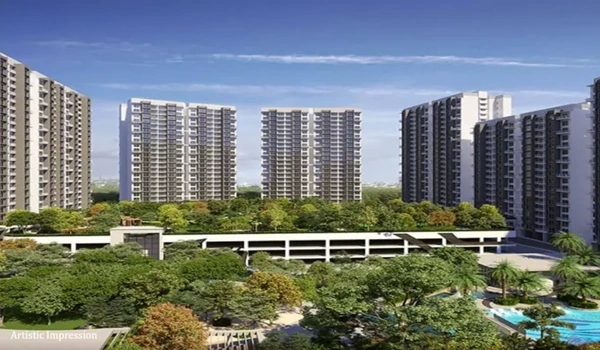
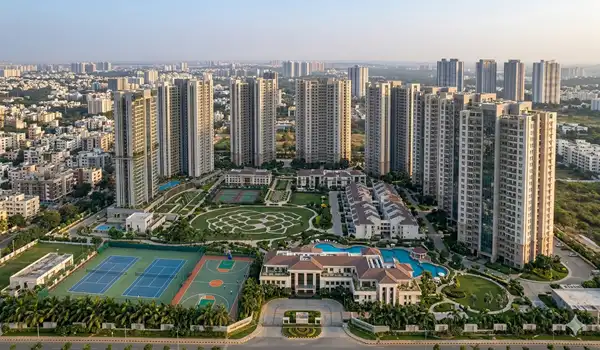
Whether you are looking at a modern township like Prestige Golden Grove in Tellapur, Hyderabad or buying a resale flat, understanding these terms protects you from builder tricks and unexpected legal problems.
1. Carpet Area: The Space You Actually Live In
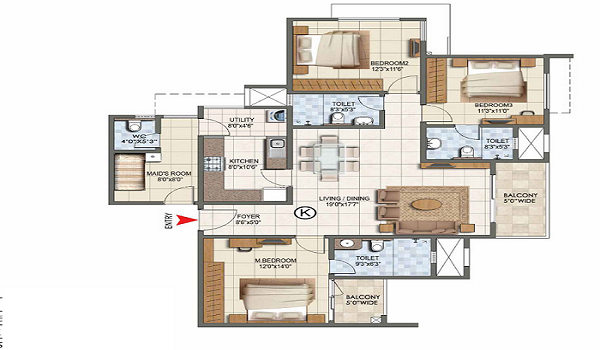
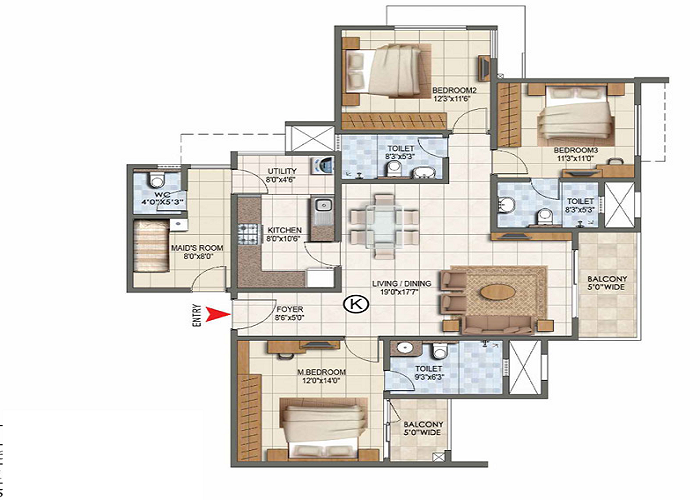
Think of a carpet area as the space inside your home where you can walk around or put your furniture. A simple way to picture it is this: if you were to turn your flat upside down, everything that falls out is part of your carpet area. The structural walls that stay attached are not included.
What Is Included in the Carpet Area?
- Bedrooms, living room, dining room, and study rooms
- Kitchen and bathrooms
- Internal staircases (if you have a duplex flat)
- Inner partition walls between rooms inside the flat
What Is Excluded?
- Thick outer walls of the apartment
- Balconies and utility areas (under standard RERA rules, these are listed separately)
- Common areas like lifts, staircases, corridors, and clubhouses
The RERA Rule: Thanks to the Real Estate (Regulation and Development) Act (RERA), builders must now price and sell flats based only on Carpet Area. This stops developers from charging high rates on inflated numbers.
2. Super Built-Up Area (SBA): The Space You Pay For
Super Built-Up Area—also known as the saleable area—is the total space you pay for. It is calculated by taking your flat's built-up area and adding a proportionate share of all the shared spaces in the building complex.
Super Built-Up Area (SBA) = Carpet Area + Wall Thickness + Balconies + Shared Common Areas
Shared Spaces Included in SBA:
- Entrance lobbies and lift shafts
- Corridors and fire escape staircases
- Clubhouses, gyms, and swimming pools
- Security rooms and maintenance areas
Understanding the "Loading Factor"
The gap between the usable carpet area and the total super built-up area is called the Loading Factor.
Loading Factor (%) = [(Super Built-Up Area - Carpet Area) / Carpet Area] x 100
- Regular Flats: Normal loading usually ranges from 25% to 35%.
- Large Townships: Large projects like Prestige Golden Grove, which feature big central parks, multiple clubhouses, and extensive sports facilities, have a higher loading factor of 35% to 45%. This simply reflects your shared ownership of those world-class facilities.
3. Undivided Share of Land (UDS): Your Real Asset
While the carpet area tells you how big your home feels today, Undivided Share of Land (UDS) protects your money for tomorrow.
UDS is the portion of the total land plot that belongs legally to you as a flat owner. You cannot point to a specific corner of the plot and say "this is my piece of land," but you own a fixed percentage of the overall property land.
Your UDS = (Carpet Area of Your Flat / Total Carpet Area of All Flats) x Total Plot Area
Why UDS Is So Important:
- Land Value Rises, Concrete Ages: Over 20 or 30 years, the physical building loses value due to age, but the land value grows. Your flat's future resale value depends mostly on your UDS.
- Redevelopment: If the building is ever torn down and rebuilt in the future, your compensation or new flat size will be decided by your registered UDS.
- Safety Net: In case of natural disasters or structural damage, insurance and land payouts are distributed based on UDS ratios.
Quick Comparison Table
| Term | What It Means | What It Covers | Why It Matters |
|---|---|---|---|
| Carpet Area | Usable space inside your walls | Rooms, kitchen, bathrooms, inner partition walls | Tells you your actual living space and RERA base price |
| Super Built-Up Area (SBA) | Total space you pay for | Carpet area + walls + balconies + share of lobby, lifts, clubhouse | Used to calculate total price and monthly maintenance charges |
| Undivided Share (UDS) | Your share of the land plot | A fixed percentage of the project's total land | Decides long-term value growth and redevelopment rights |
A Practical Example: 3 BHK Apartment
Let us look at a practical example of a 3 BHK unit in a high-rise project like Prestige Golden Grove in West Hyderabad:
- Quoted Super Built-Up Area (SBA): 1,800 sq. ft.
- Loading Factor: 30%
- Carpet Area: ~1,385 sq. ft.
- Total Project Land: 28.7 Acres
- Your UDS: A fixed share of that 28.7-acre plot registered in your document
This calculation shows that out of the 1,800 sq. ft. you purchase, you get roughly 1,385 sq. ft. of clear indoor living space, along with a legal land ownership share.
Frequently Asked Questions
1. How can I find the carpet area if I only know the super built-up area?
You can estimate the carpet area by removing the builder's loading factor. For example, if the SBA is 1,500 sq. ft. with a 30% loading factor, divide 1,500 by 1.30. This gives you roughly 1,153 sq. ft. of carpet area. Always check the official RERA document for the exact carpet area figure.
2. Is the balcony area counted inside the RERA carpet area?
No, under RERA rules, open balconies and private verandahs are not included in the main carpet area figure. Builders must mention the balcony area separately in the official agreement.
3. Why is the Super Built-Up Area higher in large gated communities?
Gated communities offer big amenities like grand clubhouses, wide roads, swimming pools, and sports areas. Because these shared spaces are much larger, each flat gets a higher share of common area added to its total saleable size.
4. How are monthly society maintenance charges calculated?
Property management teams usually calculate monthly maintenance fees based on the Super Built-Up Area (SBA) of your flat. A larger SBA flat pays a higher share towards maintaining shared lifts, parks, security, and clubhouses.
5. Why do high-rise apartments have smaller UDS than low-rise flats?
UDS is calculated by dividing the total land plot among all flat owners. High-rise towers build more flats on the same plot of land, meaning the land is split among a larger number of buyers, resulting in a smaller individual UDS share.
6. Can a builder reduce my flat's carpet area after I book it?
No, builders cannot change the flat layout or reduce carpet area without taking written permission from two-thirds of the buyers in that project. If minor structural changes happen during construction (up to 3%), the builder must refund or adjust the extra money.
7. How do I make sure my property's UDS is properly registered?
Your exact UDS figure must be clearly written in your Sale Agreement and Sale Deed. You can verify this number by checking your Encumbrance Certificate (EC) or reviewing the land details listed in your legal registration papers.